Help could arrive by air, when every minute makes a difference
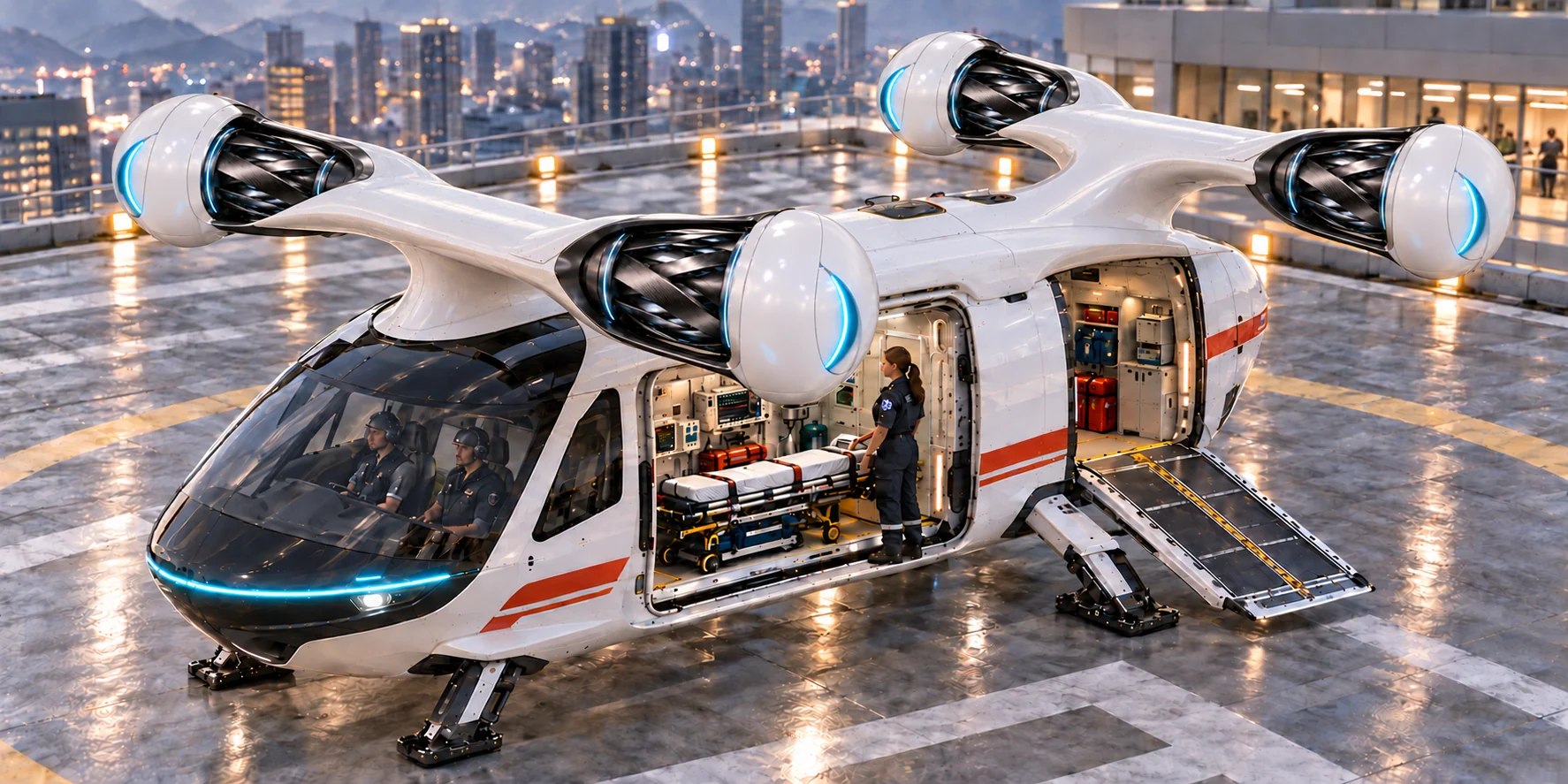

Help could arrive by air, when every minute makes a difference
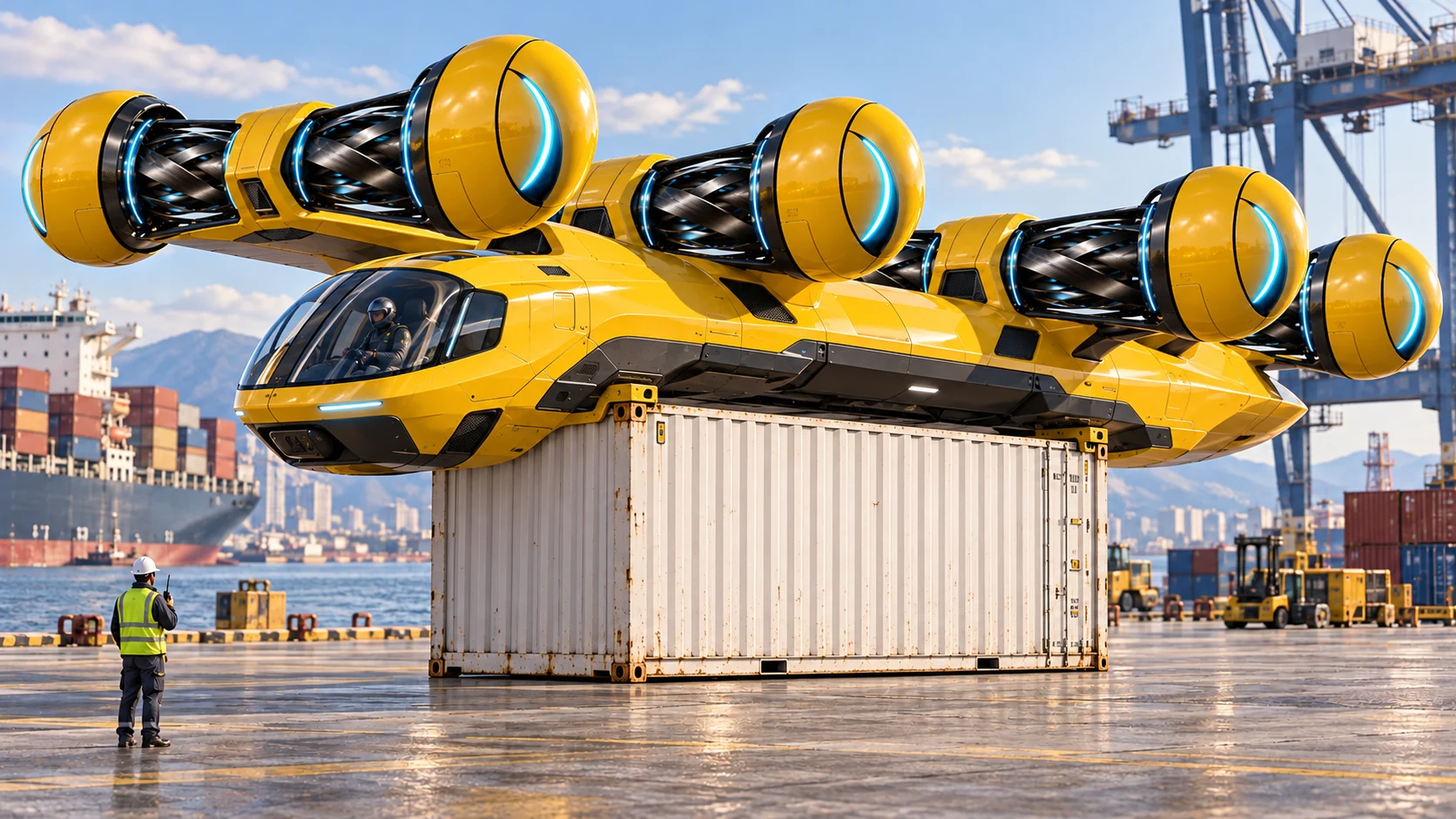
What you need could arrive through smoother, faster air cargo
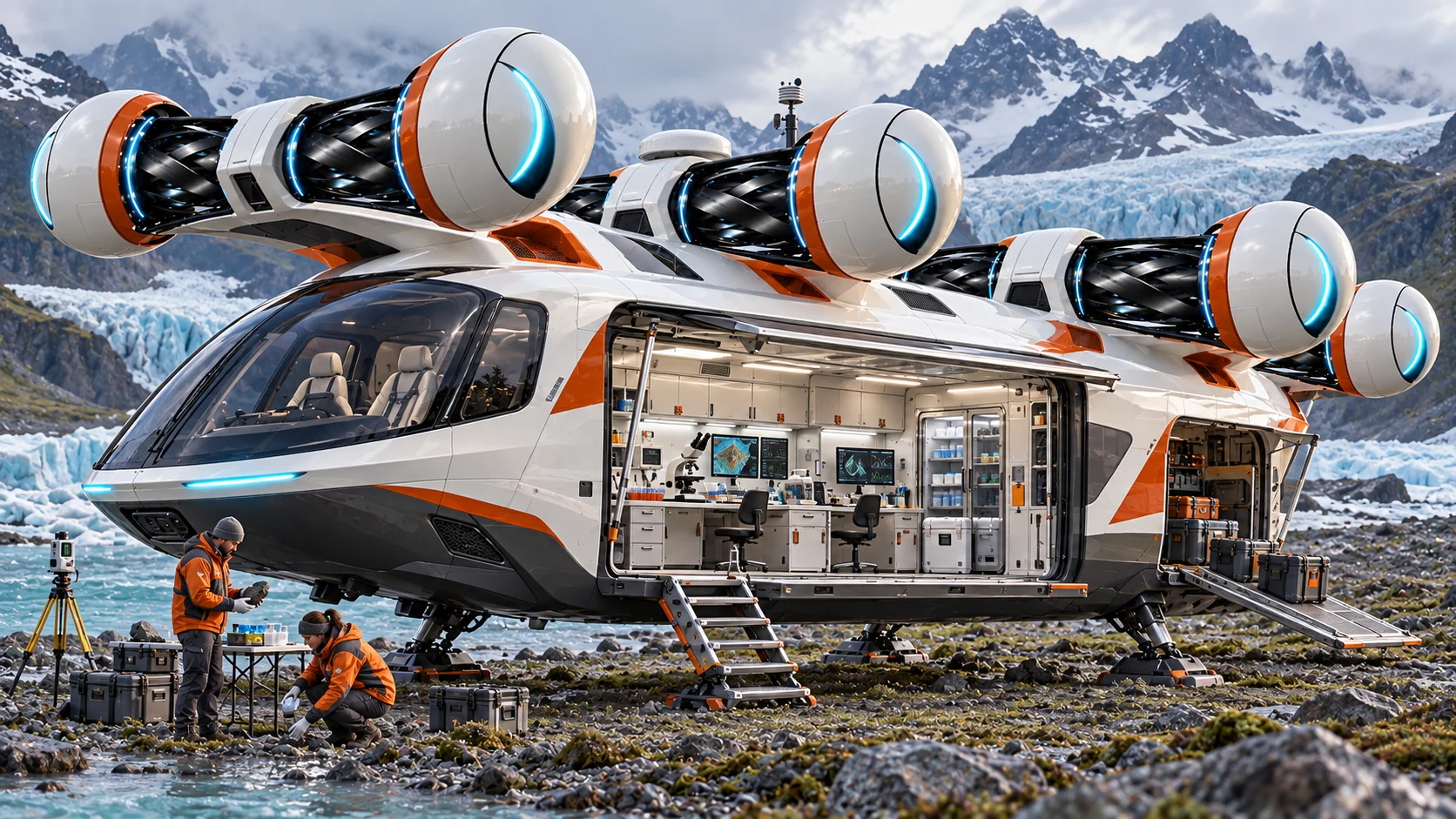
Scientific expeditions could reach further, opening new horizons for research
You could camp somewhere you never imagined reaching

The joy of riding could stay with you… this time in the air
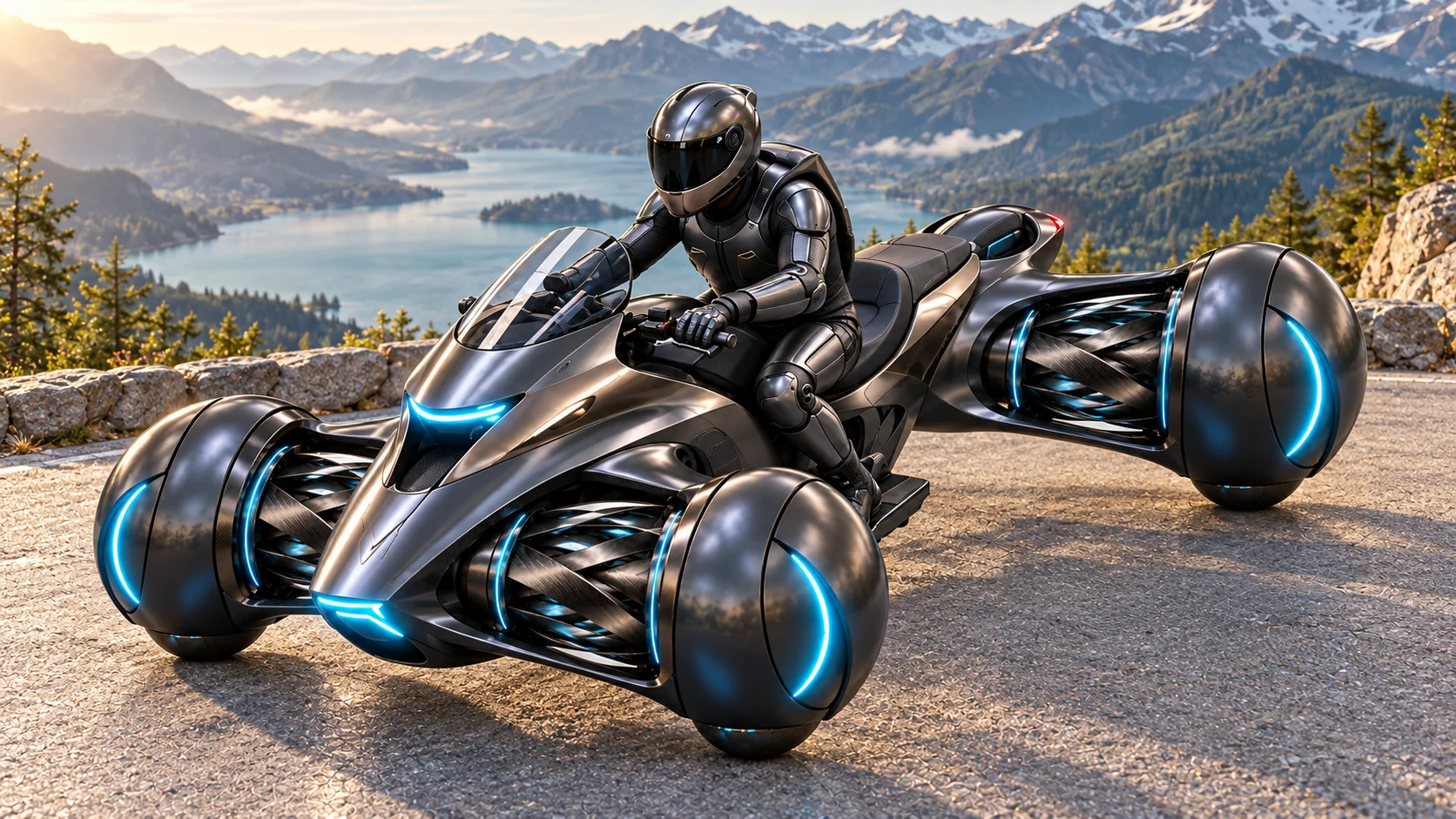
Your daily journey from home to work could begin… with flight

TANNANA is a family of flying vehicles in development, designed to combine vertical take-off and landing, hovering and flexible directional control. We designed it around the Humming Propulsion System, developed over more than a decade, to open new possibilities for travel and exploration. Its capabilities and operating limits will be established through development and testing. This is the idea behind its name…
Our first TANNANA
The two-seat TANNANA CROW is our first crewed model in development, intended to become the first crewed flying vehicle powered by the Humming Propulsion System. Four propulsion units, two occupants within a 200 kg target payload, and a target maximum take-off weight of one tonne
A target speed of up to 500 km/h and a range of up to 1,000 km, powered by hydrogen and batteries
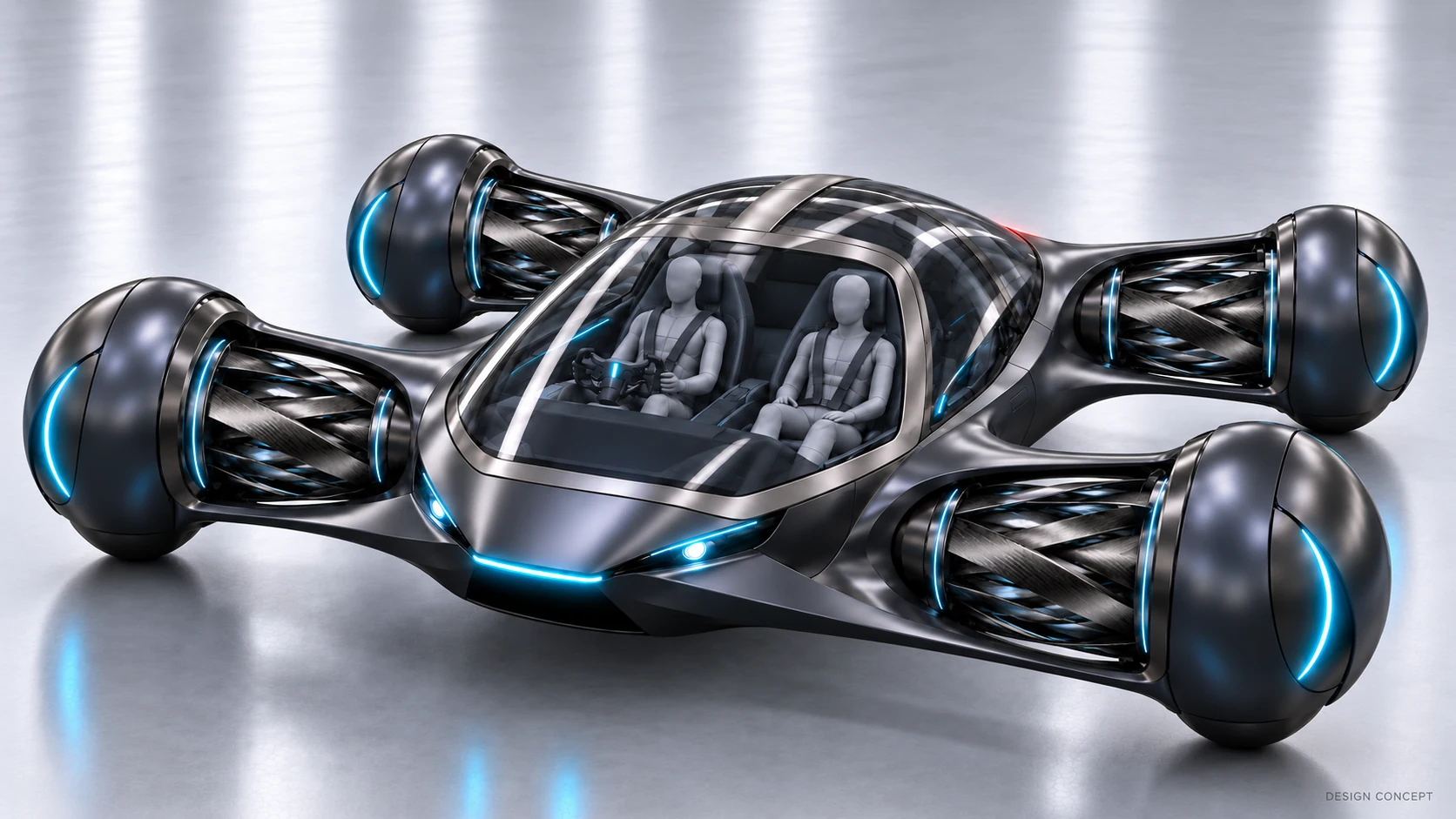
Choose a number to explore its details
A target maximum speed of up to 500 km/h. During forward flight, the lifting body is designed to reduce the lift demanded from the propulsion units
Figures describe the current design and its targets; final performance is established through testing and certification
Change the view and select a part directly in the image to explore its function and specifications
Four propulsion units are being developed to manage lift, acceleration, braking and manoeuvring by directing thrust, coordinated by the vehicle control system
The specifications shown are design targets derived from the propulsion specifications
The journey starts with your destination
In the intended operating concept, once you board TANNANA and enter your destination, an air traffic coordination algorithm plans the shortest available route while coordinating movement to avoid conflicts with other flight paths. TANNANA’s flexibility in low-altitude flight and hovering close to the ground offers more movement options within permitted areas and altitudes. Where air passage is unavailable, ground manoeuvring within operating areas is considered to reach a suitable stopping and parking location
We design for preparation, take-off, flight and landing, followed by manoeuvring to parking. Each stage brings operating and testing requirements into the vehicle programme
Manoeuvre to the parking space
TANNANA is being developed to manoeuvre from its landing point to suitable parking within the operating area. The path depends on its external dimensions and available manoeuvring space
Positioning and parking that support the flight
Illustration of journey modes, not a simulation of operating speeds or flight angles
When we talk about flight, safety is the first concern for users and certification authorities. That is why we develop TANNANA around complementary layers of protection covering propulsion, control, energy and landing options. These systems are part of the design and development programme; testing establishes their performance and operating limits
Three operating channels in each propulsion unit, each with its own motor and controller, distribute operation within the system
Multiple control paths are being developed to coordinate propulsion units and manage the vehicle’s response if a path fails
Hydrogen fuel cells work with batteries, with power and energy reserves managed for flight and landing requirements
Four rescue parachutes within the target design are intended to support emergency descent within altitude and speed limits established by testing
A target capability to land at suitable, permitted sites, accounting for space, surface conditions and operating limits
An additional landing option in the design, subject to validation of buoyancy, stability and water-surface conditions
Monitoring propulsion, energy and control behaviour to identify unusual indications and support an appropriate response
Operating-path independence and isolation of failed components are studied to limit the spread of a fault through the system
The control system coordinates available units and channels to support balance and manoeuvring within the remaining capability
Simpler user tasks alongside operating-limit monitoring, energy-reserve management and selection of a suitable landing path
Hydrogen and batteries in one architecture, managing the demands of each phase of the journey
Batteries support peak demand during take-off and manoeuvring alongside the fuel cells. Energy management coordinates demand with reserves and system health
How does power become movement?Sustained power support
Peak-demand support
Four propulsion units · Illustration of system roles
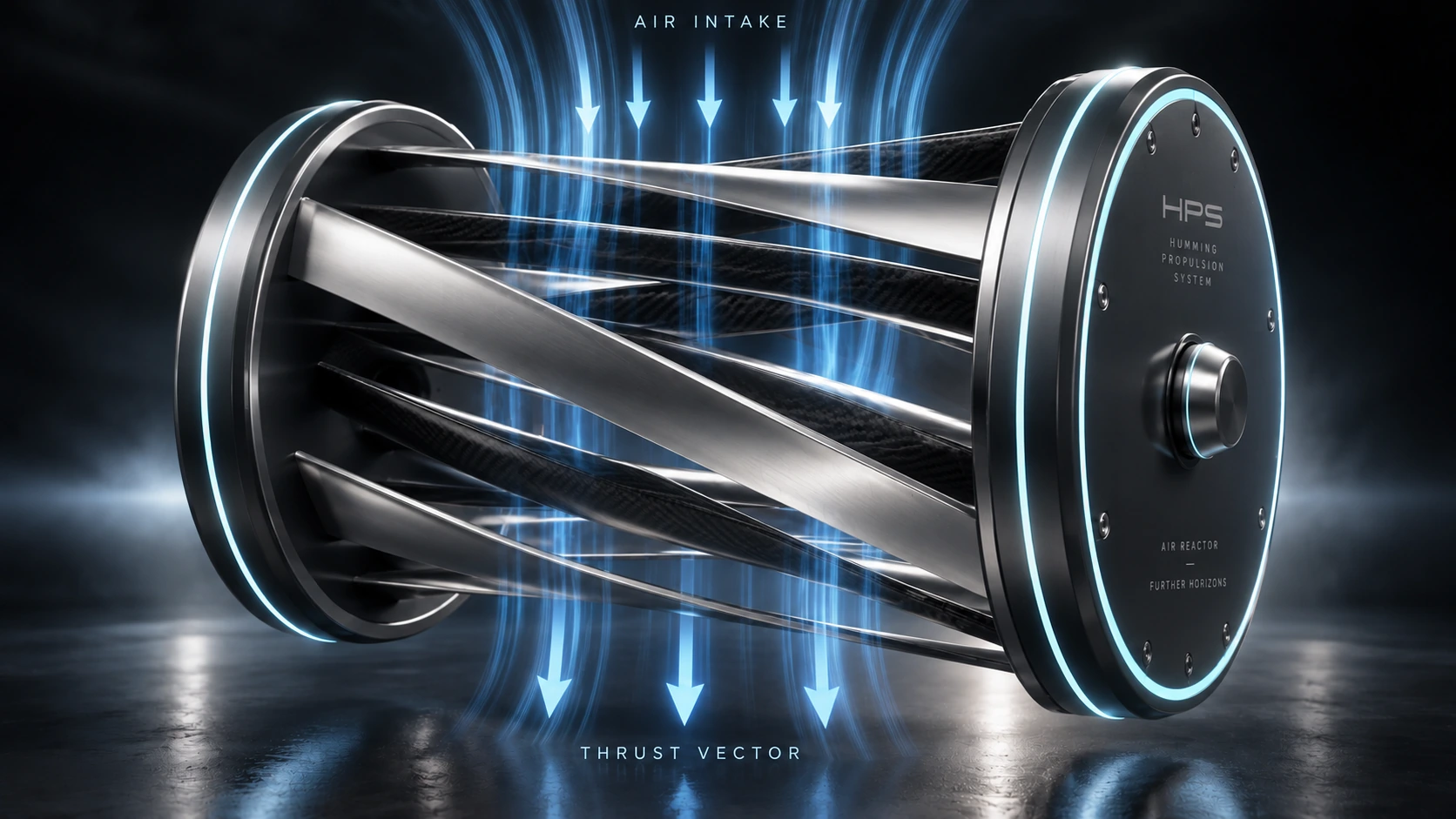
The Humming Propulsion System is the innovation that opened the way to this concept. For more than a decade, we have rethought a system that combines propulsion, lift and steering, and developed TANNANA around it
What is the Humming Propulsion System?