
Private access to a remote destination
Island, resort and remote-property owners
Recurring journeys where time and flexibility matter, with occupants and luggage suited to CROW
Commercial-validation priorityAdvanced air mobility is taking shape around new aircraft, services and supporting infrastructure. At HPS, we develop the Humming Propulsion System and build TANNANA CROW around it, for journeys that call for direct access and flexible movement
Forecast market size at the end of the period
Select a year to explore the curve. The 2026 and 2034 endpoints come from the source; the compound-growth path between them is calculated for illustration, not a separate annual forecast
Fortune Business Insights estimates, updated September 2026, for the broader sector including passengers, cargo, other missions, hardware and software
Source and study scopePrivate access to remote destinations connects premium Gulf mobility with the needs of isolated places. Our priority is a recurring journey where time and flexibility matter, suited to a two-seat vehicle
Island, resort and remote-property owners
Recurring journeys where time and flexibility matter, with occupants and luggage suited to CROW
Commercial-validation priorityIndividuals seeking private travel between their destinations
Connecting home or work to a coastal destination, farm or retreat, with privacy and flexible movement
Parallel demand-validation pathOrganisations with defined access needs
Selective expansion where the mission fits capacity, payload, energy, maintenance and cost
Expansion according to mission fitTwo occupants with baggage within the target payload, departing from a permitted location to a destination with limited direct access. We assess the value of this use case against available alternatives across the whole journey
Commercial validation focuses on trip frequency, time saved, permitted sites, energy and maintenance, and acceptable customer cost. This use case is under study and commercial validation
That is the journey CROW is designed to serve, with propulsion development at the heart of our response
Sector size is the starting point. The opportunity divides into missions with different customers, aircraft and operating models, shaping each company’s position
Private ownership and flexible journeys shaped by the user, with value in privacy and direct access
Value spans a connected industry
Regional distribution shows the sector’s reach. Choosing an entry point requires looking at journey needs and purchasing capacity, bringing the Gulf and remote destinations into focus
Estimated regional distribution in 2025
Select a region to highlight its share. Rest of the world is the remainder to 100%
Source: Fortune Business Insights183,000 in the UAE and 348,000 in Saudi Arabia at end-2025. A wealth indicator including illiquid assets, rather than a count of prospective buyers
Source: Global Wealth Report 2026, page 22Trans Maldivian serves more than 80 resorts by seaplane. An example of existing spending on remote access, across different aircraft capacities and missions
Source: Trans Maldivian servicesRoland Berger and the German Aerospace Center identify a role for premium use cases in early commercial viability. We therefore look for a customer combining recurring need with purchasing capacity
Operating-economics study, 2024The HPS opportunity combines propulsion development, the knowledge and tools built around it, and an aircraft designed to use its capabilities. CROW is the starting point for turning this work into an integrated product
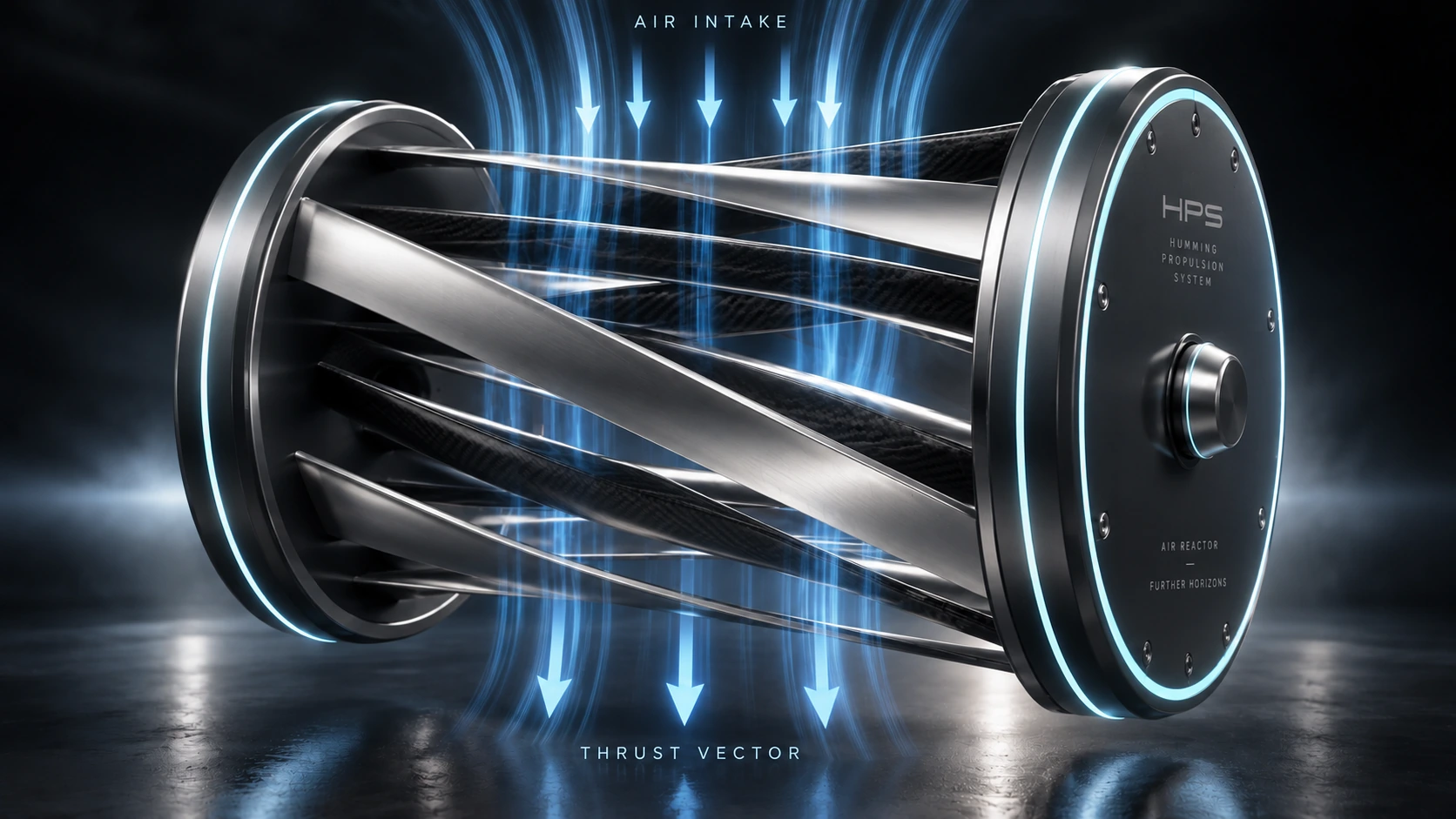
We develop a system that generates and directs thrust within one unit. The Air Reactor concept connects stages that receive existing momentum and reshape it before passing it onwards
Explore our technology
A two-seat flying vehicle targeting land and water landing, with ground manoeuvring and parking within operating areas. We begin with CROW, then explore wider configurations, each with its own development and certification programme
Explore TANNANAWe build knowledge in design, controls, simulation, manufacturing and testing, connecting it to the requirements of the product we aim to deliver
The work has progressed through generations of prototypes and experiments, alongside analysis and measurement tools. We now apply that experience to completing generation six and preparing it for ground testing
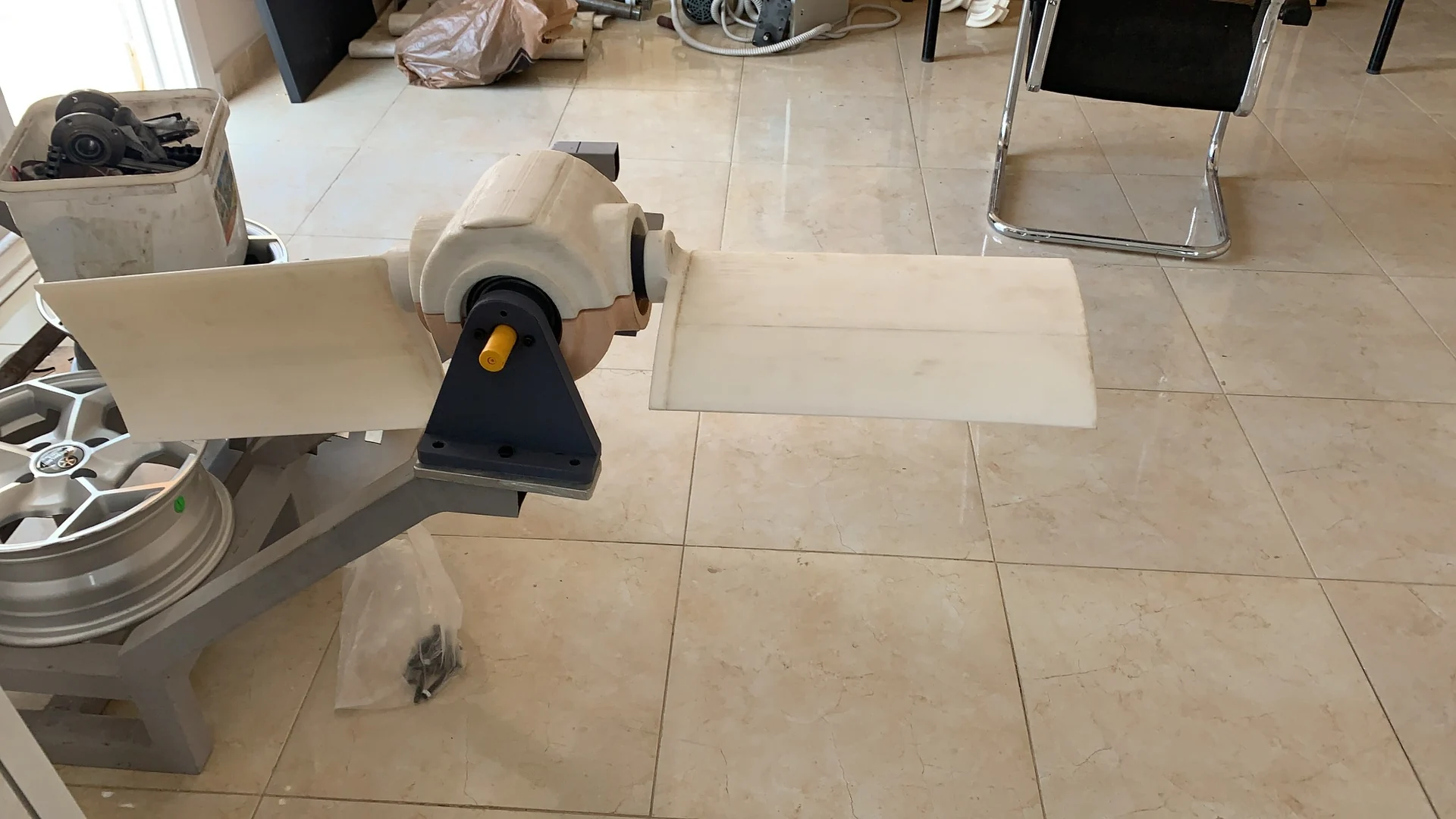
An actual photograph from our prototype and experiment archive
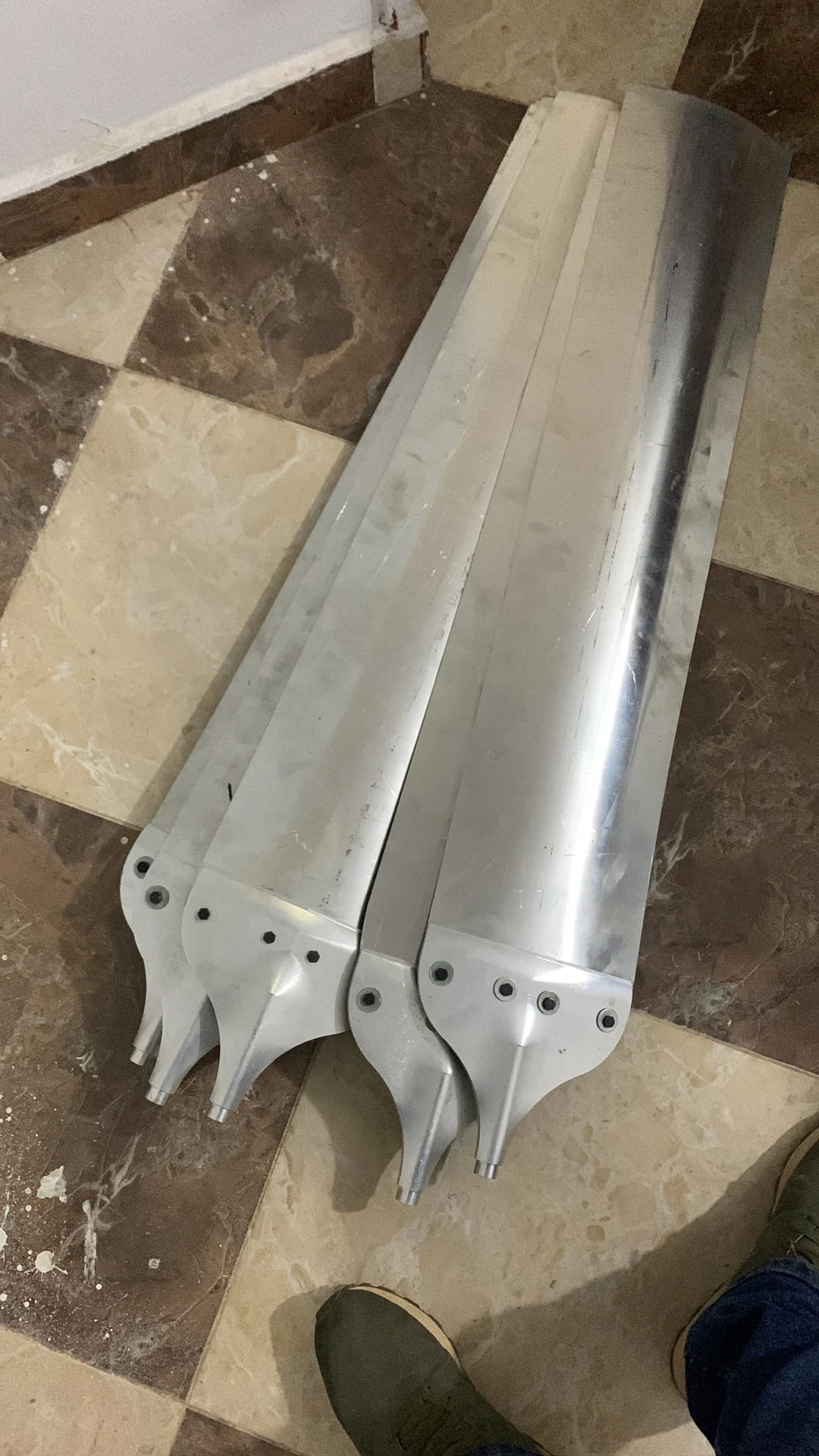
Blades before assembly, from the early prototype archive
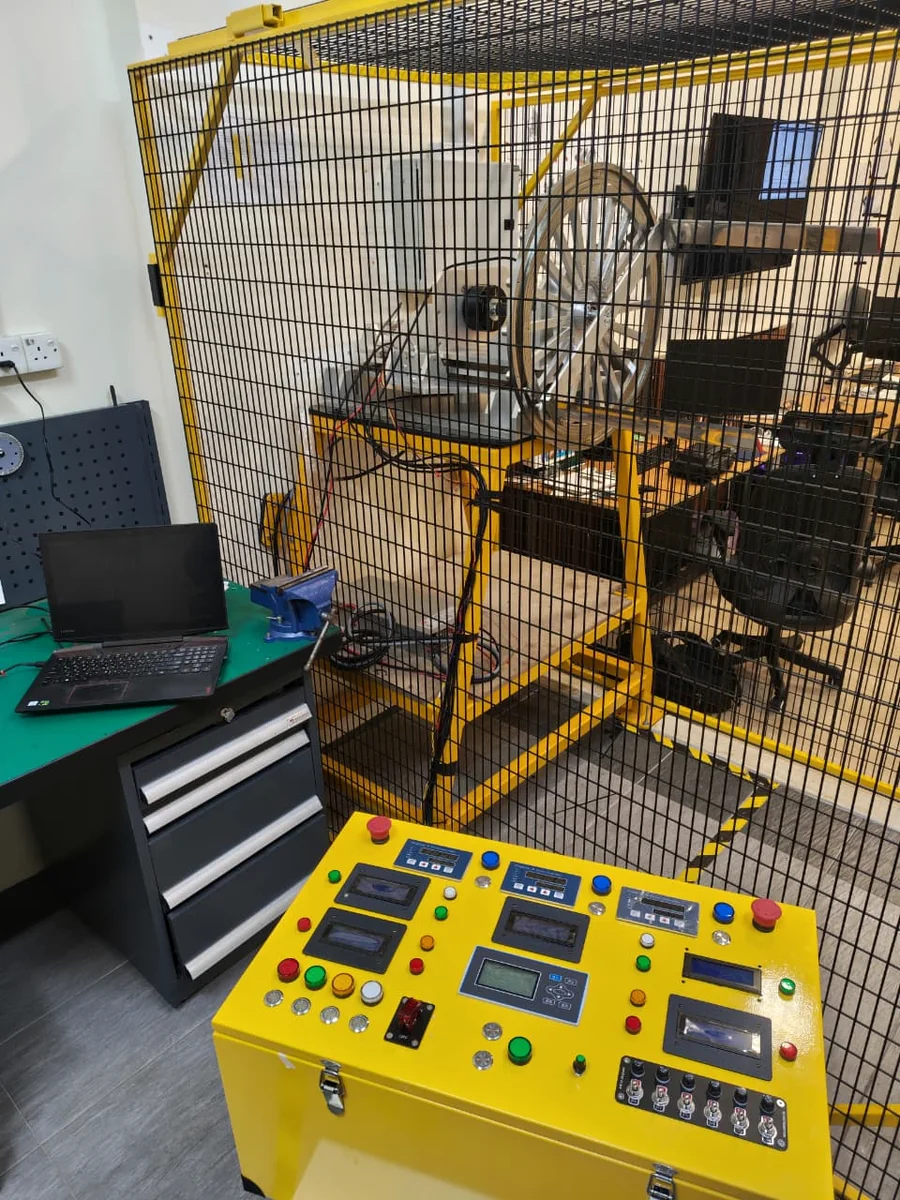
A rig developed to connect calculations with measurements of unit behaviour
Completing parts manufacture, component procurement and local-controller programming, then assembling the stages and preparing the ground-rig measurement campaign
The business model starts with sales of CROW as a complete vehicle after development, certification and production readiness. Propulsion stays within company products, with service and selective-licensing opportunities considered at later stages
Market-study sales scenarios cover CROW alone; their assumptions and projections are discussed in the investment materials
Funding for this phase is directed towards completing generation six and preparing it for ground testing. The evidence from this milestone defines the requirements for the flying demonstrator and, later, crewed CROW
Complete generation six and prepare it for testing, then measure thrust, power, response and endurance
Reviewable results that determine readiness to progress to flight
Manufacture parts, assemble the unit and prepare local controllers
A configuration ready for ground testing
Run the multistage system and measure thrust, power, response and endurance
Test reports linking results to operating conditions
Review energy, control, failures and the transition-to-flight plan
Integration requirements and a flight-demonstrator test plan
Add the required testing, technical leadership and financial oversight capabilities
Defined ownership, budgets and progress reviews for each milestone
Each later phase requires a decision and resources suited to its requirements. Any discussion of company financing or sharing of investment documents is subject first to review of applicable legal requirements and recipient eligibility
Ahmed Fawzy Hamza leads HPS’s core team, supported by a network of independent specialists contributing to defined tasks. Engineering, manufacturing, controls, business and investment work together, with capabilities added around each stage’s needs
Meet our organisationAn always-open channel between investor and company
The portal lets approved accounts follow updates and contact the team according to their access permissions. It is a means of communication and information sharing, not a securities trading marketplace. A website enquiry does not automatically grant an account or access
Development results and next steps are central to our investor dialogue
We explain what has been achieved, what is in progress and what the next milestone requires
Questions and discussions remain part of the continuing relationship between investor and company
Submit your details through the portal. Our investor relations team will contact you to discuss your enquiry and next steps. Registration does not constitute investment acceptance or grant data-room access; further steps are subject to review and applicable requirements